Central Florida Health and Wellness Magazine Health and Wellness Articles of the Villages
Related Articles



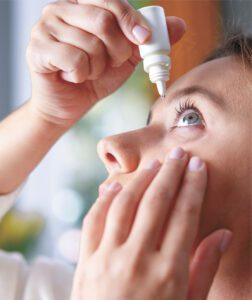 Dry eye disease affects millions of people worldwide, causing symptoms that range from mild irritation to debilitating pain that interferes with daily life. For years, the standard advice for sufferers was simple: use artificial tears and hope for relief. Today, the landscape of dry eye therapy has expanded dramatically, offering patients a range of options tailored to the underlying cause of their condition.
Understanding Dry Eye Disease
Dry eye occurs when the eyes don’t produce enough tears, or when the tears produced are of poor quality and evaporate too quickly. This can result from a variety of factors, including aging, hormonal changes, autoimmune conditions, prolonged screen time, contact lens wear, certain medications, and environmental factors like dry or windy climates. Symptoms typically include a gritty or burning sensation, redness, blurred vision, light sensitivity, and paradoxically, excessive watering as the eyes attempt to compensate for the underlying dryness.
Because dry eye has so many potential causes, effective treatment often requires identifying the specific mechanism at play. This is why eye care providers increasingly emphasize a personalized, stepwise approach rather than a one-size-fits-all solution.
Traditional First-Line Treatments
For many patients, relief begins with the basics. Over-the-counter artificial tears, gel drops, and lubricating ointments can provide temporary comfort by supplementing the eye’s natural tear film. Warm compresses and eyelid hygiene routines help address meibomian gland dysfunction, a common contributor to dry eye in which the oil-producing glands along the eyelid margin become blocked or inflamed. Omega-3 fatty acid supplements, humidifiers, and simple lifestyle changes, like taking regular breaks from screens, round out the conservative treatment options that many patients try first.
Advanced In-Office Procedures
When basic measures aren’t enough, eye care specialists have a growing toolkit of in-office treatments. Punctal plugs, tiny devices inserted into the tear ducts, help retain natural tears on the eye’s surface longer. Intense pulsed light (IPL) therapy uses light energy to reduce inflammation and improve meibomian gland function. Thermal pulsation treatments apply heat and gentle pressure to
unclog blocked glands. Prescription anti-inflammatory drops, such as cyclosporine or lifitegrast, target the underlying inflammation that drives chronic dry eye in many patients.
The Emergence of Platelet-Rich Plasma Therapy
One of the more innovative developments in dry eye treatment is the use of Platelet-Rich Plasma (PRP) eye drops. PRP therapy involves drawing a small sample of the patient’s own blood, processing it to concentrate the platelets and growth factors, and formulating the result into customized eye drops. Because these drops are derived from the patient’s own biological material, they contain a rich mixture of growth factors, vitamins, and proteins that closely mimic the composition of natural human tears, something artificial tear substitutes simply cannot replicate.
Lake Eye Associates has incorporated Platelet-Rich Plasma eye drops into its dry eye treatment offerings, providing patients with a biologically based option designed to support corneal healing and reduce ocular surface inflammation. This approach is often considered for patients with more severe or treatment-resistant dry eye, including those with associated corneal surface damage, who haven’t found adequate relief through conventional therapies. Because PRP drops are prepared from the patient’s own blood, they also carry a lower risk of allergic reaction or rejection compared to some other specialty formulations.
Finding the Right Path Forward
Dry eye disease can be frustrating to manage, particularly when standard treatments fall short. The good news is that patients today have more options than ever before, from simple lubricating drops to advanced regenerative therapies like PRP eye drops. Practices such as Lake Eye Associates reflect a broader shift in the field toward individualized care, where treatment plans are built around a thorough evaluation of each patient’s specific type and severity of dry eye.
If you’re struggling with persistent dry eye symptoms that haven’t responded to over-the-counter remedies, it may be worth scheduling a comprehensive evaluation with an eye care provider. Advances in diagnostic tools now allow specialists to pinpoint the underlying cause of dry eye more precisely, which in turn makes it possible to recommend targeted therapies, whether that means a simple change in eye drop formulation or an advanced treatment like Platelet-Rich Plasma therapy. With the right combination of treatments, most patients can find meaningful, lasting relief.
You don’t have to keep living with the discomfort, irritation, and frustration of chronic dry eye. Every day spent relying on temporary fixes is another day you could be spending in real comfort. Lake Eye Associates offers comprehensive dry eye evaluations to help determine which treatment path, including advanced options like PRP eye drops, is right for you. Call Lake Eye Associates today to schedule your consultation and take the first step toward clearer, more comfortable vision.
352-632-2020