Saturday , March 21 2026

Villages

Safeguarding Your Sight: Essential Tips for Eye Injury Prevention

Eye Injury

Dr. Katia Taba, Board-Certified Ophthalmologist and Retinal Specialist Our eyes are truly remarkable organs, allowing us to navigate the world and experience its beauty. However, they are also vulnerable to various types of injuries that can compromise our vision and, in some cases, lead to permanent damage. Recognizing the importance …

Read More »

HOW TO PREVENT COMMON EYE CONDITIONS

PREVENT COMMON EYE

Keeping your eyes healthy is one of the most important things you can do to protect your health and wellbeing. There are several common eye conditions that, if left untreated, can lead to vision issues or even vision loss. However, these conditions are easily preventable if the right steps are …

Read More »

The Critical Importance of Regular Health Check-ups After Age 55

Regular Health Check-ups

As we celebrate reaching our mid-50s and beyond, maintaining our health becomes increasingly vital for enjoying the active, fulfilling life we’ve worked so hard to build. At UF Health, we understand that preventive care isn’t just about catching problems early — it’s about empowering you to take control of your …

Read More »

Building Health Through Trust: Why Your Primary Care Provider Matters More Than Ever

Primary Care Provider Matters

In today’s fast-paced health care landscape, establishing a trusting relationship with a primary care provider has become one of the most crucial investments you can make in your long-term health and well-being. This foundational partnership serves as the cornerstone of effective health care management, offering benefits that extend far beyond …

Read More »

Protecting Your Vision The Surprising Link Between Cholesterol and Eye Health

Cholesterol and Eye Health

By Thomas G. Ward, D.O. As September marks National Cholesterol Education Month, it’s crucial to understand that high cholesterol doesn’t just affect your heart—it can also significantly impact your vision. While most people associate cholesterol with cardiovascular health, few realize its important role in eye health. This connection underscores the …

Read More »

Understanding Peripheral Arterial Disease (PAD)

Peripheral Arterial Disease

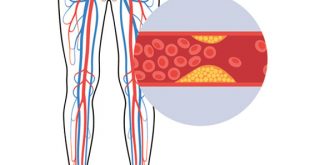
By Dr. Andrew Franklin, DPM, PH.D September marks Peripheral Arterial Disease (PAD) Awareness Month, making it an ideal opportunity to discuss this often-overlooked vascular condition. As a foot and ankle specialist, I frequently encounter patients whose first symptoms of PAD manifest in their feet, yet many remain unaware of the …

Read More »

What Does a Complete Blood Count (CBC) Reveal About Blood Cancers?

Complete Blood Count

ACBC (complete blood count) is a common blood test that measures and evaluates the different types of cells in the blood. While it is often part of a routine health checkup, it is also one of the first tests commonly used to detect signs of many types of blood cancer. …

Read More »

Why a Dedicated Vein Clinic Matters for Treating Leg Vein Issues

Central Florida Vein & Vascular Center Specializes in Comprehensive, Compassionate Care The Importance of a Dedicated Vein Center The care of patients with venous disorders has become a specialty itself complete with graduate medical training, Board Certification, and national societies focusing exclusively on vein care. Unfortunately very few practitioners that …

Read More »

Understanding Ovarian and Prostate Health

Ovarian and Prostate Health

September marks an important time for health awareness, bringing attention to two critical areas of reproductive and urological health: ovarian cancer awareness and prostate health education. At Lake Sumter Urology, we believe that knowledge is power when it comes to protecting your health and the health of your loved ones. …

Read More »

High Cholesterol = High Risk for Debilitating Diseases

High Cholesterol

Cholesterol is a natural substance that the body produces through the liver. It’s waxy and circulates through the blood stream, feeding the heart and brain. But when cholesterol is derived from foods like saturated fats and trans fats, the body over produces LDL, which is the “bad” cholesterol. HDL is …

Read More »