Central Florida Health and Wellness Magazine Health and Wellness Articles of the Villages
Related Articles


By Dr. Andrew Franklin, DPM, PH.D
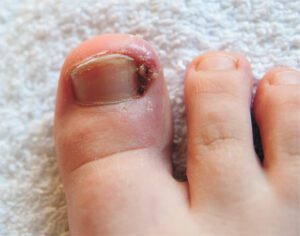 An ingrown toenail is one of the most common and painful foot conditions that people of all ages experience. It occurs when the edge of the toenail — most often the big toe — grows into the surrounding skin rather than over it. While it may seem like a minor inconvenience at first, an untreated ingrown toenail can quickly become a serious problem, leading to infection and significant discomfort. At Ocala Podiatry, our experienced foot care specialists are dedicated to providing effective, compassionate treatment to get you back on your feet.
What Causes Ingrown Toenails?
Ingrown toenails can develop for a variety of reasons, and understanding the cause is the first step toward prevention and treatment. One of the most common culprits is improper nail trimming. When toenails are cut too short or at a curved angle instead of straight across, the nail edge can grow into the skin. Tight or ill-fitting footwear is another significant factor. Shoes that crowd the toes — such as narrow dress shoes or tight athletic sneakers — put constant pressure on the nails and surrounding skin, forcing the nail to grow in the wrong direction.
Genetics also play a role. Some individuals are simply born with naturally curved or fan-shaped toenails that are more prone to becoming ingrown. Trauma to the toe, such as stubbing it or dropping something heavy on the foot, can also disrupt normal nail growth. Athletes and individuals who are physically active on their feet are particularly susceptible due to repetitive pressure and minor injuries. Poor foot hygiene or hyperhidrosis — excessive sweating of the feet — can soften the skin around the nail, making it easier for the nail edge to penetrate the tissue.
Recognizing the Symptoms
The symptoms of an ingrown toenail typically begin gradually and worsen over time if left untreated. Early signs include tenderness or pain along the side of the toenail, redness of the surrounding skin, and slight swelling. As the condition progresses, you may notice increased pain when pressure is applied to the toe, such as when walking or wearing shoes. The skin around the nail may begin to harden and feel warm to the touch.
When the nail breaks through the skin, it creates an opening for bacteria to enter, which can lead to infection. Signs of an infected ingrown toenail include increased swelling, drainage of pus or fluid, a foul odor, and the formation of overgrown tissue or skin folds around the nail edge. If you are diabetic or have circulatory issues, these symptoms demand immediate medical attention, as complications from foot infections can be severe.
When to See a Podiatrist
Many people attempt to treat ingrown toenails at home, but this approach often provides only temporary relief — or makes the problem worse. Home remedies such as digging under the nail edge or cutting a notch in the nail are not recommended, as they can damage the nail bed and increase infection risk. If you notice persistent pain, signs of infection, or if the ingrown toenail keeps returning, it is time to seek professional care.
At Ocala Podiatry, we strongly encourage patients to schedule an appointment at the first signs of an ingrown toenail. Early intervention not only relieves discomfort more quickly but also helps prevent the need for more invasive procedures down the road.
Treatment Options at Ocala Podiatry
Our podiatrists offer a range of treatment options tailored to the severity of your condition. For mild cases, we may gently lift the nail edge and place a small splint or cotton beneath it to guide the nail to grow above the skin. We will also provide guidance on proper nail trimming techniques and appropriate footwear to prevent recurrence.
For moderate to severe cases or recurring ingrown toenails, a minor in-office procedure may be recommended. This involves numbing the toe with a local anesthetic and carefully removing the problematic nail edge. In chronic cases, a small portion of the nail root may be treated with a chemical solution to prevent that section of the nail from growing back. This quick, minimally invasive procedure has a high success rate and significantly reduces the chance of the ingrown toenail returning.
Prevention Tips
Preventing ingrown toenails is possible with a few simple habits. Always trim your toenails straight across — never curved — and avoid cutting them too short. Choose shoes that have adequate room in the toe box, especially if you are physically active. Keep your feet clean and dry, and inspect them regularly for any early signs of nail problems. If you have diabetes or poor circulation, a routine visit to Ocala Podiatry for nail care is an important part of protecting your foot health.
Contact Ocala Podiatry Today
You do not have to live with the pain of an ingrown toenail. At Ocala Podiatry, our team of skilled foot and ankle specialists is here to help you find lasting relief with personalized, expert care. Whether your condition is mild or severe, we are committed to delivering the highest quality treatment in a comfortable, welcoming environment. Contact us today to schedule your appointment and take the first step toward healthier, pain-free feet.
About Dr. Andrew Franklin, DPM, Ph.D
Dr. Andrew Franklin, DPM, Ph.D., moved from Essex, UK to the US in 2007, completing his post-doctorate in Organic Chemistry at FSU. He studied Podiatric Medicine at Ohio College of Podiatric Medicine and completed surgical residency at Cleveland Clinic. Relocating to Ocala in 2018, he opened Ocala Podiatry in December 2023. This board-certified podiatrist emphasizes patient education and teamwork. Married with two boys, he enjoys pickleball, sports, traveling, and outdoor activities.
(352) 234-4124
ocalapodiatry.com
5481 Southwest 60th St Unit 502,
Ocala, FL 34474