Central Florida Health and Wellness Magazine Health and Wellness Articles of the Villages
Related Articles



By Paul Mahle, MD | UF Health Medical Group Orthopaedics
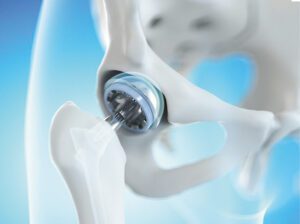 As a total joint replacement surgeon, I’m constantly seeking ways to improve outcomes and accelerate recovery for my patients. One of the most significant advancements in hip replacement surgery over recent years has been the direct anterior approach. This technique has transformed how we perform total hip arthroplasty, offering patients a faster return to their daily activities with less post-operative discomfort.
Understanding the Direct Anterior Approach
Traditional hip replacement surgery typically involves accessing the hip joint from the side or back of the hip, which requires cutting through major muscle groups. The direct anterior approach is different. By accessing the hip joint from the front of the body, I can work between the muscles rather than cutting through them. This muscle-sparing technique preserves the natural anatomy and significantly reduces surgical trauma to the surrounding soft tissues.
Shorter Recovery Time
The most compelling benefit of the direct anterior approach is the dramatically shorter recovery period. Because muscles are not detached from the bone during surgery, patients experience less pain, less inflammation, and faster healing. Patients are walking within hours of surgery and can bear full weight on their new hip immediately. Compared to traditional approaches that may require six to eight weeks of restricted movement and hip precautions, patients undergoing the direct anterior approach often return to normal activities within two to four weeks.
Hospital stays are also typically shorter — often just one night or even same-day discharge for appropriate candidates. This means less time away from home, family, and the comfort of your own environment during the critical early recovery phase.
Fewer Restrictions, Greater Confidence
Traditional hip replacement techniques often come with a long list of precautions: don’t bend past 90 degrees, don’t cross your legs, use elevated toilet seats, sleep with a pillow between your knees. These restrictions exist because cutting through muscles increases the risk of hip dislocation during the healing process.
With the direct anterior approach, most of these precautions are unnecessary. The intact muscles provide natural stability to the new joint from day one. Patients can bend, sit in normal chairs and move more freely without restrictions. This freedom translates to greater confidence during recovery and a faster psychological adjustment to the new hip.
Ideal Candidates
While the direct anterior approach offers tremendous benefits, it’s important to understand that not every patient is an ideal candidate. During your consultation, we’ll discuss your specific anatomy, overall health and activity goals to determine whether this technique is right for you. Factors such as body composition, previous surgeries, and bone quality all play a role in surgical planning.
Taking the Next Step
If hip pain is limiting your quality of life and you’ve been considering joint replacement, I encourage you to explore whether the direct anterior approach might be right for you. At UF Health Medical Group Orthopaedics, we’re committed to providing personalized care using the most advanced techniques available. Our goal is not just to replace your hip — it’s to restore your mobility, independence, and active lifestyle as quickly and safely as possible.
Paul Mahle, MD
Orthopaedic Surgeon
Paul Mahle, MD, is a board-certified orthopaedic surgeon at UF Health fellowship trained in joint replacement and adult reconstructive surgery. He provides personalized care for bone, muscle and joint conditions, offering both non-surgical and surgical treatments for hip and knee injuries and degenerative conditions.
As part of a skilled healthcare team, he draws on shared expertise and best practices to diagnose and treat a wide range of musculoskeletal conditions. Outside of his practice, he enjoys traveling, being outdoors and is passionate about physical wellness, encouraging an active and healthy lifestyle.
For more information about orthopaedic services at UF Health or to schedule your next appointment, visit UFHealth.org/Central-Florida-Care or call 352-323-5665.
Same-day and Next-day appointments available.