Central Florida Health and Wellness Magazine Health and Wellness Articles of the Villages
Related Articles


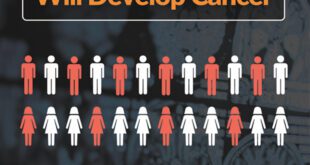
 Overall, in the U.S., 1 in 23 men (4.3%) and 1 in 25 women (4%) are at risk of developing colorectal cancer in their lifetimes. It is the third most common form of the disease (excluding skin cancer) and the second leading cause of cancer death in the nation for women and men combined.
Colorectal cancer refers to cancers of the colon and rectum, the lower parts of the digestive system. These organs help process food, absorb water, and move waste out of the body. (Colorectal cancer does not include cancer of the anus, which is a separate condition.)
The colon, or large bowel, is a major part of the large intestine and is about five feet long. The rectum and anal canal make up the final section of the large intestine, with the rectum about six inches long and the anal canal one to two inches long.
Colorectal cancer occurs when cells in these areas grow out of control. These abnormal growths, called polyps, can sometimes become cancerous over time.
Few Early Warning Signs
Colorectal polyps and cancer often cause no symptoms, which makes regular screening so important. As a tumor grows, it may bleed or partially block the intestine. The most common warning signs include blood in the stool or toilet after a bowel movement, dark or black stools, or bleeding from the rectum. Any of these symptoms should be reported to your primary care provider promptly.
Early Screening Tests Matter
Screening tests can detect polyps at an early stage, so they can be removed before turning into cancer. According to the Colon Cancer Coalition, when detected in its early stages, colon cancer is more likely to be cured; treatment is less extensive, and recovery is much faster. If colon cancer is caught early, the long-term survival rate is very high — around 90%.
Know Your Screening Options
The risk of colorectal cancer increases with age, and most cases occur in adults 50 and older. On average, colon cancer is diagnosed at age 68 for men and 72 for women, while rectal cancer is usually diagnosed around age 63 for both men and women. In recent years there has been a notable rise in colon cancer among people in their 20s, 30s and 40s, although the causes are not clearly understood.
The American Cancer Society recommends that people at average risk begin regular screening at age 45. Screening can detect cancer early, when treatment is most effective, and can also identify precancerous polyps that can be removed before they develop into cancer.
Screening is done on different schedules. People with higher-than-average risk due to family history, certain genetic conditions or other factors may need to start screening earlier or follow a different screening schedule.
The main colorectal cancer screening tests include visual exams, like colonoscopy or CT scans, which look directly inside the colon for polyps or cancer, and stool-based tests, which check for blood or abnormal DNA. While many stool-based tests can be done at home, they are intended for people at average risk and may not work well for everyone.
Your doctor can help you choose the test and schedule that’s right for you.
Know Your Risks and How to Reduce Them
Certain health conditions, like Crohn’s disease, ulcerative colitis, or a family history of colorectal polyps or cancer, can raise your risk. Previous radiation to the abdomen or pelvis may also increase risk.
Lifestyle factors matter too: Lack of exercise, being overweight, a diet high in fat and low in fruits and vegetables, tobacco use, and alcohol can all contribute.
Colorectal cancer facts can sound alarming, but there’s reason for hope. Early screening works, and small lifestyle changes can go a long way in reducing risk.
WORLD-CLASS CANCER TREATMENT, CLOSE TO HOME
About Florida Cancer Specialists & Research Institute, LLC (FLCancer.com)
For more than 40 years, FCS has built a national reputation for excellence that is reflected in exceptional and compassionate patient care, driven by innovative clinical research, cutting-edge technologies and advanced treatments, including targeted therapies, genomic-
based treatment and immunotherapy. Our highest values are embodied by our outstanding team of highly trained and dedicated physicians, clinicians
and staff.
In Pasco County, board-certified physicians specializing in hematology, medical oncology, gynecologic oncology and radiation oncology provide personalized care for all forms of cancers and blood disorders. With extraordinary skill and experience, they deliver treatments with maximum effectiveness and safety, combined with compassion and concern for patients and their families. From genetic screening to immunotherapies and access to the latest clinical trials, our top-ranked cancer experts provide the newest and most advanced treatments available – increasing cure rates and extending lives.
Florida Cancer Specialists & Research Institute
Hudson
7651 Medical Dr
Hudson, FL 34667-6594
Trinity Cancer Center
9320 State Road 54
Trinity, FL 34655-1808
Wesley Chapel
2895 Hueland Pond Blvd, Suite 100
Wesley Chapel, FL 33543
Zephyrhills Green Slope
7315 Green Slope Dr
Zephyrhills, FL 33541-1314
For more information, visit FLCancer.com.