Central Florida Health and Wellness Magazine Health and Wellness Articles of the Villages
Related Articles



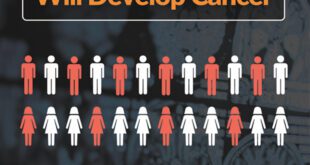
 Bladder cancer is one of the most frequently diagnosed cancers in the U.S. It occurs more often in men than in women, and the risk increases with age. Most cases—about nine out of 10—occur in people over age 55, with the average age at diagnosis being 73. Throughout their lives, roughly one in 28 men and one in 91 women will develop bladder cancer. It rarely occurs in children.
The Basics of Bladder Cancer
The bladder is a hollow organ in the lower pelvis that stores urine until it leaves the body through the urethra. Sometimes the cells in the lining of the bladder can change and grow out of control, forming tumors that can spread.
Most bladder cancers begin in the cells lining the inside of the bladder. The most common type is called urothelial carcinoma. Many stay in the inner lining at first, but some can grow deeper and spread to nearby lymph nodes or other parts of the body, like the bones, lungs, or liver.
Warning Signs and Symptoms
One common early symptom is blood in the urine, which may appear pink, brown, or bright red. This bleeding usually does not cause pain, and sometimes it is only visible through a lab test. While blood in the urine can be caused by other conditions, it should always be reported to your doctor.
Other possible early symptoms include frequent or painful urination, difficulty urinating, or a weak urine stream. As bladder cancer progresses, symptoms can become more severe, such as inability to urinate, lower back pain on one side, swelling in the feet, bone pain, fatigue, loss of appetite, or weight loss.
Currently, there is no standard screening test for bladder cancer. If your healthcare provider suspects cancer, a range of tests can help confirm the diagnosis.
Bladder Cancer Treatment
When found in early stages, bladder cancer is highly treatable.
Treatment depends on the type, stage, and your overall health, and may involve more than one approach. Small, early tumors are often removed through a procedure called TURBT, which uses a scope inserted into the bladder. For cancers that have grown deeper, surgery to remove the bladder and nearby lymph nodes may be needed.
Even after successful treatment, bladder cancers can come back. Follow-up tests may continue for years after treatment to detect any recurrence.
What’s Your Risk?
Smoking is the main risk factor for bladder cancer, causing about half of all cases. Smokers are at least three times more likely than non-smokers to develop the disease. Certain chemicals can also increase risk, including those found in industries such as dye, rubber, leather, and textile manufacturing; painting and printing; photography; hairdressing; and exposure to diesel fumes.
Previous cancer treatment can increase the risk as well. Patients who received radiation treatment aimed at the pelvis, or treatment with certain anti-cancer drugs, have a higher risk of developing bladder cancer.
Chronic inflammation of the urinary tract or repeated urinary infections may also increase risk. As with many forms of cancer, family history can play a role.
While we can’t change certain risk factors for bladder cancer, like age or gender, there are steps you can take to lower your risk:
• Don’t smoke.
• Be careful around chemicals, and follow all safety instructions if you work with them.
• Eat a healthy diet rich in fruits and vegetables.
New Options Through Clinical Trials
Advancements in the diagnosis and treatment of all forms of cancer continue at a rapid pace, thanks to ongoing clinical research. Clinical trials have played a significant role in these advancements that are now saving more lives. Patients who participate in these safe and carefully supervised groundbreaking research studies are receiving the latest treatments available, which can have positive impacts on their outcomes.
WORLD-CLASS CANCER TREATMENT, CLOSE TO HOME
About Florida Cancer Specialists & Research Institute, LLC (FLCancer.com)
For more than 40 years, FCS has built a national reputation for excellence that is reflected in exceptional and compassionate patient care, driven by innovative clinical research, cutting-edge technologies, and advanced treatments, including targeted therapies, genomic-based treatment, and immunotherapy. Our highest values are embodied by our outstanding team of highly trained and dedicated physicians, clinicians, and staff.
In Pasco County, board-certified
physicians specializing in hematology, medical oncology, gynecologic oncology, and radiation oncology provide personalized care for all forms of cancers and blood disorders. With extraordinary skill and experience, they deliver treatments with maximum effectiveness and safety, combined with compassion and concern for patients and their families. From genetic screening to immunotherapies and access to the latest clinical trials, our top-ranked cancer experts provide the newest and most advanced treatments available — increasing cure rates and extending lives.
Florida Cancer Specialists & Research Institute
Hudson
7651 Medical Dr
Hudson, FL 34667-6594
Trinity Cancer Center
9320 State Road 54
Trinity, FL 34655-1808
Wesley Chapel
2895 Hueland Pond Blvd, Suite 100
Wesley Chapel, FL 33543
Zephyrhills Green Slope
7315 Green Slope Dr
Zephyrhills, FL 33541-1314
For more information, visit FLCancer.com.