Central Florida Health and Wellness Magazine Health and Wellness Articles of the Villages
Related Articles


 The outlook for people diagnosed with cancer is becoming brighter all the time, thanks to a variety of ongoing advancements.
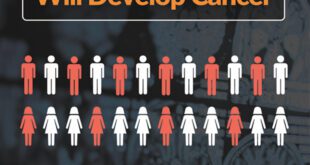
There are nearly 19 million cancer survivors living in the U.S. today. Increasingly, many of the nearly 2 million Americans who will be diagnosed with cancer this year will experience cancer more like a chronic disease than a dim prognosis.
Cancer Basics
Cancer starts when normal, healthy cells become changed or altered and begin to grow out of control. Cancer can develop anywhere in the body. The two main categories are cancers of the blood cells, known as hematologic cancers, and solid tumor cancers, which are cancers of any of the other body organs or tissues.
There is no one single cause, and many factors alone or together can produce cancer. These include genetics or family history, environmental exposures, and lifestyle choices.
Screenings Save Lives
It cannot be overstated: Early diagnosis and treatment are a substantial factor in surviving cancer.
Effective screening tests can detect many cancers before symptoms appear, making them easier to treat and saving lives. Screening recommendations vary by age, family history, and lifestyle, so talk with your doctor—and don’t skip or delay your recommended tests.
The Power of Genetics
Genetic screening and testing help oncologists diagnose cancers more accurately and tailor treatments to a patient’s unique genetic makeup.
Genetic mutations inherited from our parents can put us at increased risk of developing certain cancers. Knowing personal risk factors for hereditary cancers early can be lifesaving. Screening starts with a review of your personal and family cancer history, which genetics specialists use to determine whether further testing is recommended.
Clinical testing known as Next Generation Sequencing (NGS) is an advanced form of genetic testing that can detect mutations in hundreds of different genes derived from tumor cells simultaneously. NGS testing provides a more precise understanding of each patient’s individual diagnosis. When oncologists know the specific genetic alteration a patient has, they may be able to identify a therapy that actually targets that exact mutation. The results also help to identify clinical trials the patient may be eligible for based on their molecular profile.
Immunotherapies
Chemotherapy and radiation have been widely used for decades to directly target cancer cells. While effective, these treatments can also destroy healthy blood cells and harm the body’s production of new cells.
Immunotherapies boost the body’s natural immune
defenses to better target and fight cancer. They can be given through an IV, taken as pills, or applied as a topical cream.
Immunotherapy may be used alone or combined with chemotherapy, radiation, or surgery. Side effects can occur, but they are often less severe than those seen with traditional treatments.
In the last few decades, immunotherapy has been approved for the treatment of many cancers, including bladder, cervical, breast, colorectal, lymphoma, and melanoma, among others. Patients may receive immunotherapy in a doctor’s office, an oncology clinic or, in some cases, in a hospital setting.
Clinical Research Drives Cancer Treatment Advancements
Every drug or therapy that is in place today to treat cancer had its start in a clinical trial.
After promising results are seen in the laboratory, medical breakthroughs then require careful research through closely monitored studies conducted in humans, called clinical trials. These studies deserve credit for new treatments of cancers that were previously considered incurable.
Studies of new cancer drugs or medical procedures are not a last resort, but rather an opportunity to expand an individual’s treatment to include early access to the most effective and promising options.
More Hope on the Horizon
Scientists worldwide are rapidly advancing cancer research, including efforts to improve immunotherapy by uncovering how cancer cells evade the immune system. This knowledge can help create new drugs that block those escape mechanisms and reduce treatment side effects, ultimately making immunotherapy more effective.
Cancer vaccines are a type of immunotherapy. While many vaccines effectively prevent diseases caused by bacteria and viruses, developing vaccines for cancer is far more complex. The FDA has approved two vaccines that help prevent cancer—HPV and hepatitis B—and several therapeutic vaccines for treating cancers such as prostate, bladder, and melanoma.
Exciting new advancements are leading to the development of truly targeted cancer therapies. Patients with cancer and their health care teams now have more treatment options than ever—with many more on the horizon.
WORLD-CLASS CANCER TREATMENT, CLOSE TO HOME
About Florida Cancer Specialists & Research Institute, LLC (FLCancer.com)
For more than 40 years, FCS has built a national reputation for excellence that is reflected in exceptional and compassionate patient care, driven by innovative clinical research, cutting-
edge technologies, and advanced treatments, including targeted therapies, genomic-based treatment, and immunotherapy. Our highest values are embodied by our outstanding team of highly trained and dedicated physicians, clinicians, and staff.
In Pasco County, board-certified physicians specializing in hematology, medical oncology, gynecologic oncology, and radiation oncology provide personalized care for all forms of cancers and blood disorders. With extraordinary skill and experience, they deliver treatments with maximum effectiveness and safety, combined with compassion and concern for patients and their families. From genetic screening to immunotherapies and access to the latest clinical trials, our top-ranked cancer experts provide the newest and most advanced treatments available – increasing cure rates and extending lives.
Florida Cancer Specialists & Research Institute
Hudson
7651 Medical Dr
Hudson, FL 34667-6594
FLCancer.com/Hudson
Hudson North
14100 Fivay Rd, Ste 380
Hudson, FL 34667-7181
FLCancer.com/HudsonNorth
Trinity Cancer Center
9320 State Road 54
Trinity, FL 34655-1808
FLCancer.com/Trinity
Wesley Chapel
26823 Tanic Dr
Wesley Chapel, FL 33544-4605
FLCancer.com/WesleyChapel
Zephyrhills Green Slope
7315 Green Slope Dr
Zephyrhills, FL 33541-1314
FLCancer.com/ZGS
For more information, visit FLCancer.com