Central Florida Health and Wellness Magazine Health and Wellness Articles of the Villages
Related Articles


By Hiep Nguyen, MD, FACS
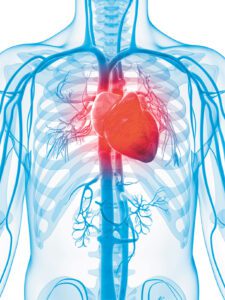 February marks American Heart Month, a time when we turn our attention to the organ that beats approximately 100,000 times each day, pumping life-sustaining blood throughout our bodies. As a cardiovascular surgeon, I’ve witnessed both the remarkable resilience of the human heart and the devastating consequences when we neglect its care. This month serves as a crucial reminder that heart disease remains the leading cause of death in the United States, but it’s also an opportunity to emphasize that many heart conditions are preventable.
Nearly half of American adults have some form of cardiovascular disease, and someone in the United States has a heart attack every 40 seconds. Yet, what many people don’t realize is that up to 80% of cardiovascular disease is preventable through lifestyle modifications. This is where knowledge becomes power, and action becomes lifesaving.
Understanding Your Risk
Heart disease doesn’t develop overnight. It’s typically the result of years of cumulative damage to your cardiovascular system. The traditional risk factors remain the primary culprits: high blood pressure, high cholesterol, smoking, diabetes, obesity and physical inactivity. Family history also plays a significant role, which is why knowing your family’s cardiac health history is essential.
What concerns me most as a surgeon is seeing patients in their 40s and 50s with advanced heart disease that could have been prevented or managed with earlier intervention. Many people assume they are “too young” for heart problems, but cardiovascular disease is increasingly affecting younger populations due to rising obesity rates and sedentary lifestyles.
Stress and sleep deprivation are often overlooked contributors. Chronic stress elevates blood pressure, while inadequate sleep disrupts metabolic processes. Managing stress through mindfulness, adequate rest and healthy coping mechanisms should be part of everyone’s heart health strategy.
The Power of Prevention
The good news is that your daily choices have a profound impact on your heart health. Regular physical activity stands as one of the most powerful preventive measures. I recommend at least 150 minutes of moderate-intensity aerobic exercise weekly. This doesn’t mean you need to run marathons — brisk walking, swimming or cycling can significantly reduce your risk. Strength training twice weekly also benefits cardiovascular health.
Nutrition is equally critical. A heart-healthy diet emphasizes whole grains, lean proteins, fruits, vegetables and healthy fats while limiting sodium, saturated fats and added sugars. Small changes make a difference: Choosing water over sugary drinks and incorporating more plant-based meals can gradually transform your heart health.
Smoking cessation cannot be overstated. If you smoke, quitting is the single most important step you can take for your heart. Within just one year of quitting, your risk of heart disease drops by half. Resources like nicotine replacement therapy and support can help.
Know the Warning Signs
Recognizing the signs of a heart attack can save your life or another’s. Classic symptoms include chest pain or discomfort, shortness of breath, pain radiating to the arm or jaw, cold sweats, nausea and light headedness. However, women and people with diabetes may experience atypical symptoms like unusual fatigue, indigestion or back pain. When in doubt, call 911.
Take Action This Month
This American Heart Month, I encourage you to take concrete steps toward better heart health. Schedule a checkup with your primary care physician to assess your cardiovascular risk factors. Know your numbers: blood pressure, cholesterol levels, blood sugar and body mass index. If you have risk factors, work with your health care team to develop a management plan.
Your heart has been beating for you since before you were born, working tirelessly without rest. This February, and every month thereafter, show it the care it deserves. The heart you save may be your own.
About Hiep Nguyen, MD, FACS Cardiothoracic Surgeon
Renowned cardiothoracic surgeon, Hiep Nguyen, MD, FACS, specializes in complex cardiac and thoracic surgeries. Emphasizing minimally invasive techniques, Dr. Nguyen is the first and only heart surgeon to offer several leading-edge procedures in Lake and Sumter counties, including robotic-assisted heart surgery and aortic grafting. Dr. Nguyen is recognized for his compassionate patient care and takes pride in aiding patients through surgery recovery to resume their daily lives. Beyond his clinical practice, he volunteers his surgical expertise in regions with limited access to cardiac care, particularly in Vietnam.
UF Health Medical Group
Heart and Vascular Surgery
352.323.5665
UFHealth.org/Central-Florida-Care