Central Florida Health and Wellness Magazine Health and Wellness Articles of the Villages
Related Articles



By Dr. Andrew Franklin, DPM, PH.D
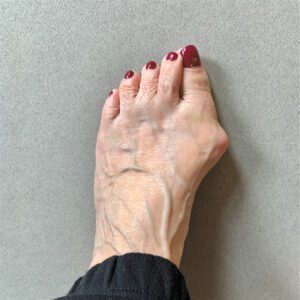 Biving with diabetes requires constant vigilance, and one of the most serious complications that can arise is the development of finding comfortable footwear. If you’re dealing with a painful bump at the base of your big toe, you’re not alone—and more importantly, you don’t have to suffer in silence. Ocala Podiatry specializes in providing comprehensive bunion treatment to help patients regain mobility and live pain-free lives.
Understanding Bunions
A bunion, medically known as hallux valgus, is a bony prominence that develops at the joint where your big toe meets your foot. This occurs when the bones in the front part of your foot shift out of alignment, causing the tip of your big toe to pull toward the smaller toes while the joint at the base pushes outward. Over time, this misalignment creates the characteristic bump that can become red, swollen, and extremely tender.
Several factors contribute to bunion development, including genetics, foot structure, arthritis, and wearing tight or narrow shoes that squeeze the toes together. Women are particularly susceptible due to wearing high heels and pointed-toe shoes, though anyone can develop bunions regardless of footwear choices if they have an inherited foot structure that predisposes them to this condition.
Recognizing the Symptoms
Bunions typically start small but progressively worsen without proper intervention. Common symptoms include a visible bump on the outside of the base of your big toe, swelling and redness around the big toe joint, persistent or intermittent pain, corns or calluses where toes overlap, restricted movement of the big toe, and difficulty walking. Many people also experience trouble finding shoes that fit comfortably, as the bunion protrusion makes standard footwear painful to wear.
How Ocala Podiatry Can Help
At Ocala Podiatry, experienced podiatrists understand that every bunion case is unique and requires personalized treatment. The practice begins with a comprehensive evaluation, including a physical examination of your foot and possibly X-rays to assess the severity of the deformity and determine the best course of action.
For mild to moderate bunions, conservative treatment options are often highly effective. The podiatrists at Ocala Podiatry may recommend custom orthotics designed to redistribute pressure away from the bunion, padding and taping techniques to minimize pain, proper footwear guidance to accommodate the bunion and prevent further progression, anti-inflammatory medications to reduce swelling and discomfort, and ice therapy and physical exercises to maintain joint mobility.
The team also provides expert advice on selecting appropriate shoes with wide toe boxes and good arch support, which can significantly reduce symptoms and slow bunion progression. They may suggest splints or toe spacers to help realign the joint, particularly when worn at night.
Surgical Solutions When Needed
For severe bunions that don’t respond to conservative measures or significantly impact quality of life, Ocala Podiatry offers advanced surgical options. Modern bunion surgery, or bunionectomy, has evolved considerably and can effectively realign the bones, ligaments, and tendons to restore normal foot function and appearance. The surgical approach varies depending on the severity of the deformity, and the podiatrists will thoroughly explain the procedure, recovery expectations, and long-term outcomes.
Taking the First Step
Living with bunion pain doesn’t have to be your reality. The earlier you seek treatment, the more options you’ll have and the better your outcomes are likely to be. Ocala Podiatry is committed to helping patients find relief through evidence-based treatments tailored to individual needs and lifestyles.
Don’t let bunions limit your activities or diminish your quality of life. Contact Ocala Podiatry today to schedule a comprehensive evaluation and take the first step toward healthier, pain-free feet. With their expertise, advanced treatment options, and patient-centered approach, you can look forward to walking comfortably again.
Your Partner in Foot Health
At Ocala Podiatry, our comprehensive approach addresses not just the immediate wound but also the underlying factors contributing to ulcer formation. With proper treatment and ongoing care, most diabetic foot ulcers can heal successfully, allowing patients to return to their normal activities and maintain their quality of life.
If you’re concerned about diabetic foot ulcers or any aspect of diabetic foot care, contact Ocala Podiatry today to schedule a consultation.
About Dr. Andrew Franklin, DPM, Ph.D
Dr. Andrew Franklin, DPM, Ph.D., moved from Essex, UK to the US in 2007, completing his post-doctorate in Organic Chemistry at FSU. He studied Podiatric Medicine at Ohio College of Podiatric Medicine and completed surgical residency at Cleveland Clinic. Relocating to Ocala in 2018, he opened Ocala Podiatry in December 2023. This board-certified podiatrist emphasizes patient education and teamwork. Married with two boys, he enjoys pickleball, sports, traveling, and outdoor activities.
(352) 234-4124
ocalapodiatry.com
5481 Southwest 60th St Unit 502,
Ocala, FL 34474